 |
 |
by Andy Duframe
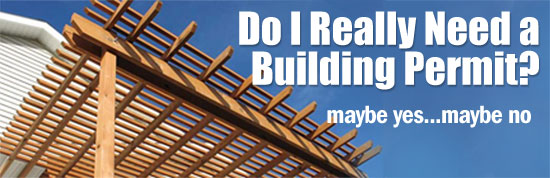
Do I Really Need a Building Permit?
People don’t like to talk about building permits. I suppose that’s because the topic makes some builders nervous, especially those who don’t like to bother with codes and regulations. It might also be that the subject is difficult to generalize, since the rules can vary so much from one state to the next. Either way, it’s no help to anyone when project plans and woodworking books gloss over the issue with their boilerplate disclaimer “always follow local building codes…” The fact is, sometimes you need a building permit, sometimes you don’t. If you’re thinking about building an outdoor project this summer, hopefully this guide can shed some light on an otherwise cloudy subject.
It’s All About Where You LiveAs I just mentioned, building codes and regulations can vary from one location to the next, and for good reason. Building a garage on the gulf coast, for example, with its hurricanes, sandy soil, and salty air calls for different building techniques than building a garage in northern Minnesota, with its heavy snow and sub-zero temperatures. Your first step is always to contact your local building permit office to find out exactly what’s required for the project you want to build. I can’t speak for everyone, but I was pleasantly surprised just how nice and helpful my local building permit people were when I called for some advice last week.
Why Do Some Projects Require Building Permits, Others Not?It’s mostly a safety issue. Using my gulf coast example above, it's understandable why those hurricane-risk communities might be concerned about 2x4s and plywood panels flying off a poorly constructed building. Here, building permits can truly save lives. Projects that pose lesser hazards to a community may not need a building permit at all. For example, you can probably build a small tool shed in Arizona without having to ask anyone’s permission. The following examples should give you a rough idea of what kind of projects I’m talking about.
Projects that typically DO NOT need a permit: —-Small shed (120 sq. ft. or less, one story)
Note: In most cases, projects that do not require a building permit must be constructed on a residential, single-family property, and do not include utilities (electric or plumbing). Adding utilities to any of the above (electrical outlets, lights, heating, air conditioning, plumbing, etc.) will likely void the exemption and require a permit to build.
Projects that typically DO need a permit: —-Large shed (over 120 sq. ft.)
*Note: Attaching Structures to Your House
What’s in a Building Permit?Building permits cover a wide range of issues pertaining to both how a project is constructed where it’s located. Here are a few of the most common items addressed in building codes and permits:
Zoning Restrictions
Setback Restrictions
Historic Landmark Restrictions
Environmental Restrictions
Utility Restrictions
Neighborhood Association Restrictions
What Happens if I Don’t Get a Building Permit?
Legal problems – Although you won’t go to jail for violating building codes, it can cost you a considerable amount of time, hassle, and money to come clean with local government after the fact. Once they discover your disregard for the law, you could be forced to tear down what you’ve already built and start over.
Safety problems – Not everyone can be an expert builder (though we usually think we are). It’s far too easy to overlook things that might pose a safety hazard down the road. The best part about going clean with local building code requirements is that you’ll get an experienced construction engineer to critique your work — all for a relatively small fee (in my town, I’ll pay a $60 permit fee to build a pergola).
Nosy Neighbor Problems – Although it’s unlikely that a state inspector will come snooping around your property on his or her own accord, you might be surprised how often nosy neighbors place calls to authorities the minute they spot new construction in the neighborhood. Of course, the inspectors are glad to oblige and investigate the matter (they’re probably required to do so).
Closing Sale Problems – Most realtors will tell you that building permits are rarely an issue when it comes time to sell your house. Of course, the operative word here is “rarely” — and that means yes, it can be problem sometimes. If you’ve ever sold a house, you know that closing time is the worst time for any kind of legal problem of to bear its ugly head. Having the proper building permits in place is just one less thing to worry about when selling your home.
But Won’t My Property Taxes Go Up?I’ve heard people say that building permits are nothing more than a easy way for local governments to raise your property taxes. Although I think that theory is a bit far-fetched, sure, it’s possible that some projects could in fact raise your property taxes, but for more realistic reasons. Remember that property taxes are based on the assessed value of your home. If your project is significant enough to increase that value (like adding a bedroom or a second story), obviously this might increase your property taxes. But for most of the projects we’re talking about in this article — like decks, gazebos, pergolas, and playhouses — these will not add enough assessed value to have any noticeable affect on property taxes.
Before You Start – Learn the LingoGo online and get familiar with all the jargon and lingo a building inspector might use when talking to you about building codes. This will give you a nice head start in figuring out what kinds of questions you need to be asking about your project. Like I mentioned earlier, I was pleasantly surprised just how nice and helpful my local building code office was when I called last week. Also, I’ve noticed that some local agencies have great websites to help answer these very kinds of questions I’m talking about here (okay, some are better than others). Just go to your favorite search engine and type in something like “building permits for (your city here)” — this will give you all the links you need to contact your local offices. Some of these sites even offer free project plans that comply with their specific building codes!
Getting a Building Permit: How it WorksBelow is a rough outline of the process you’ll likely go through when obtaining a building permit for your project. This might vary somewhat from state to state, but I imagine the basic steps are common to most locations.
1. Visit your building permit office. Be sure to bring your project plans/blueprints/sketches with you. In some cases, they can review your project while you wait, letting you leave that day with a permit in hand. For larger, more complex projects, it might take several days (or weeks) to complete the review.
2. Start construction. With your building permit in hand, it’s time to start construction. However, be sure to know how many inspections you’ll need throughout the course of the project. A more complicated structure might require that a city inspector visit your job site more than once to approve certain phases of the project. For example, building a deck usually means you’ll have to get the foundation (footings) checked and approved before you’re allowed to build the rest of the deck.
3. Request Final Inspection. Once your project is complete, you’ll need to request another visit from the building inspector to sign off on the project. Your building permit should have phone numbers and information about scheduling a final inspection. |
|
 Print a Copy of this Article